Florida LSV Registration and Insurance Requirements
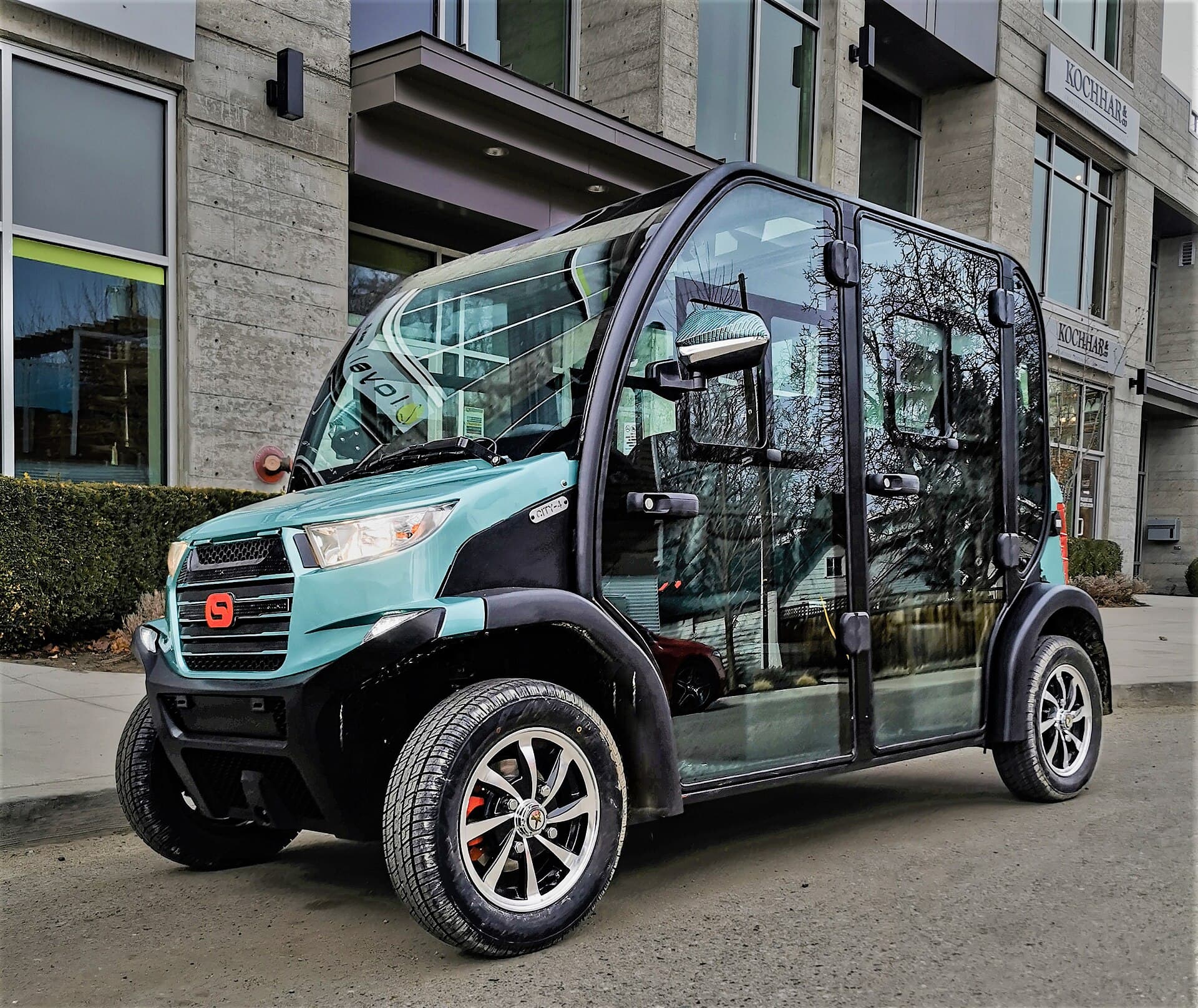
In Florida, a low-speed vehicle is a vehicle with a top speed above 20 mph and no more than 25 mph. It must be titled, registered and insured with personal injury protection (PIP) and property damage liability (PDL) before it goes on the road. A regular golf cart is treated differently. Here is what each requires, based on the FLHSMV Guide to Owning Low Speed Vehicles and Florida Statutes s. 316.2122. Last checked November 2, 2026.
Golf Cart or LSV? The 20 mph Line
- Golf cart: designed for a golf course and not capable of exceeding 20 mph (s. 320.01(22)). Not titled or registered. May use roads a local government has designated for golf carts, posted 30 mph or less.
- Low-speed vehicle: top speed above 20 mph, up to 25 mph. Titled, registered and plated. May use streets posted 35 mph or less. The driver needs a valid driver license.
Golf cart drivers have rules too. Since October 1, 2023, a golf cart driver on public roads who is under 18 needs a learner's license or driver license, and a driver 18 or older needs a government-issued photo ID.
Equipment an LSV Must Have
- Headlamps, tail lamps and stop lamps
- Front and rear turn signals
- Reflex reflectors
- Exterior mirror on the driver side, plus an interior or passenger-side mirror
- Parking brake
- Windshield
- A seat belt for each designated seat
- A vehicle identification number (VIN)
Titling a Factory-Built LSV
Bring these to an FLHSMV or county tax collector office:
- Manufacturer's certificate of origin
- Form HSMV 82040, Application for Title
- Proof of Florida insurance: at least $10,000 PDL and $10,000 PIP
- Identification: driver license, ID card or passport
- Title, plate and registration fees (registration varies by weight)
Converting a Golf Cart Into an LSV
The cart must already be street-legal, with the equipment above, before you apply. Then it has to be trailered to a Motorist Services Regional Office for an inspection and a VIN. FLHSMV asks for:
- Certificate of origin or bill of sale for the cart
- Form HSMV 84490, Statement of Builder
- Form HSMV 86064, Affidavit for Golf Cart Modified to a Low Speed Vehicle
- Receipts for every part used in the conversion, plus sales tax information for them
- A certified weight slip
- Form HSMV 82040, proof of PIP and PDL, and ID
- Inspection, title, plate and registration fees
Keep copies of those receipts. They also help when you insure the vehicle, because they show what the conversion added to its value. See insuring a lifted or modified golf cart.
The Insurance Part
You need the PIP and PDL proof before the tax collector will title the LSV, so the policy usually comes first. Those are minimums. The intention of bodily injury liability, which Florida doesn't require here, is to respond if you injure someone else, and many owners add it along with physical damage coverage for the vehicle.
Finding a carrier is the hard part. Many companies that write golf carts won't write PIP on a plated LSV. Call 866-347-8683 and say it's a street-legal LSV in Florida, or request a quote online. The Florida golf cart and LSV page covers The Villages and other cart communities.
Frequently Asked Questions
Does a low-speed vehicle need insurance in Florida?
Yes. Florida Statutes s. 316.2122 says an LSV must be registered and insured in accordance with s. 320.02, and FLHSMV lists personal injury protection (PIP) and property damage liability (PDL), at least $10,000 each, as proof of insurance for titling.
Does a regular golf cart need insurance in Florida?
Florida doesn't title or register a golf cart that can't exceed 20 mph, so the PIP and PDL requirement tied to registration doesn't attach to it. Owners can still buy a golf cart policy, and some communities or local programs ask for proof of liability coverage.
Where can an LSV drive in Florida?
On streets with a posted speed limit of 35 mph or less, and it may cross a faster road at an intersection. The driver needs a valid driver license.
Why won't some insurance companies quote my Florida LSV?
Because a plated LSV needs PIP in Florida, which makes the policy closer to auto insurance. Some carriers that write golf carts don't write PIP on this class at all. Specialty markets do exist, which is why calling the quote line is usually faster than trying carriers one by one.
Ready for a golf cart or LSV quote?
Most states: 866-347-8683 · CA, HI, MA, NY & OR: 833-844-4357
Request a Quote Online