LSV vs Golf Cart: What's the Difference?
“Golf cart” and “low-speed vehicle” get used interchangeably, but for titling, registration, street use, and — importantly — insurance, they are two different classes of vehicle. The quickest test: a golf cart is generally limited to about 19 mph, while a low-speed vehicle (LSV), also called a neighborhood electric vehicle (NEV), is built to travel 20–25 mph and can be made street legal with a license plate in most states.
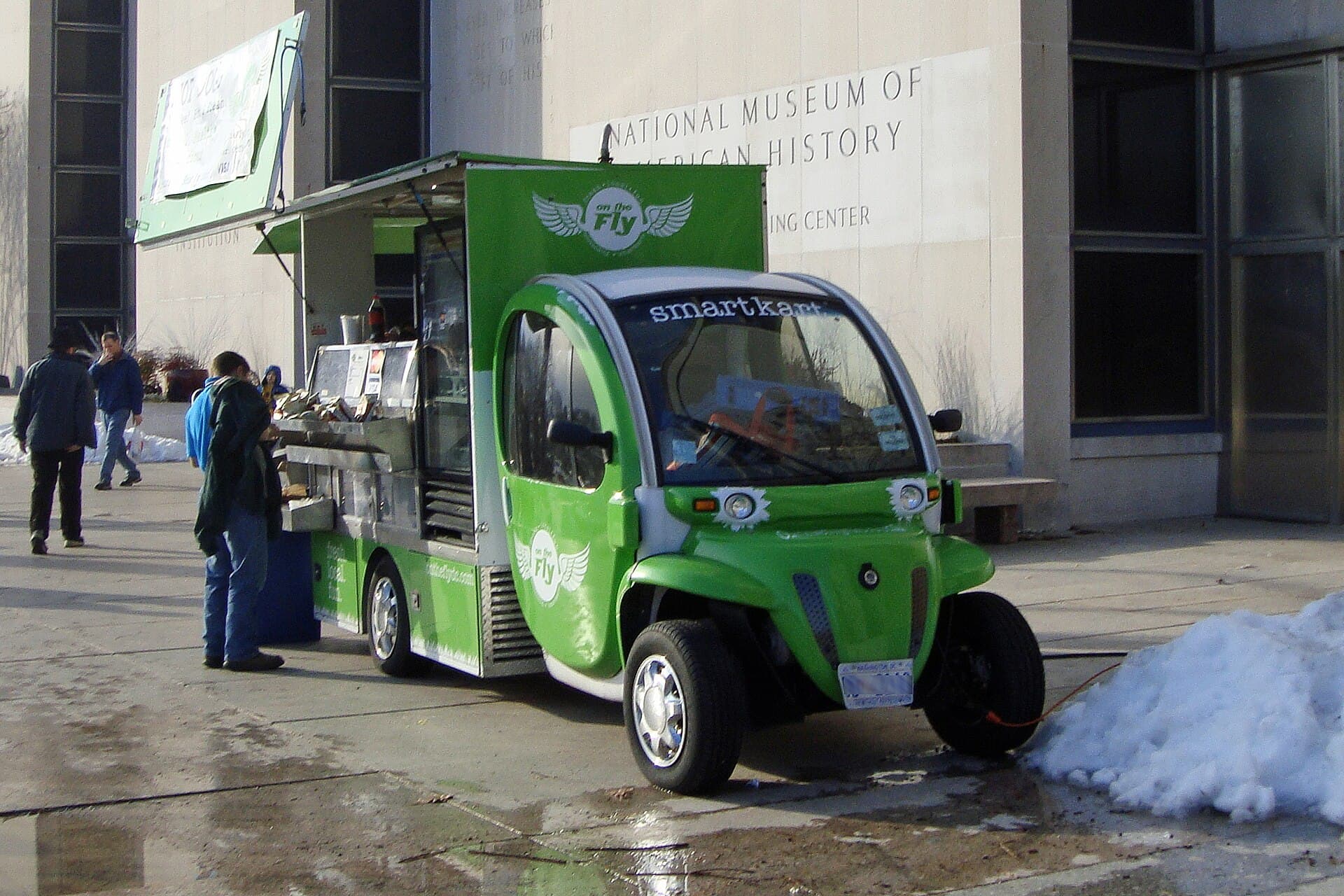
Side-by-Side Comparison
| Feature | Golf Cart | LSV / NEV |
|---|---|---|
| Top speed | Typically up to about 19 mph | Capable of 20–25 mph (federal definition) |
| License plate | Usually no plate unless a state or local rule allows street use | Often titled, registered, and plated for street use |
| VIN | Serial number from the manufacturer; usually no 17-digit VIN | Built with a 17-digit VIN like a car |
| Federal safety equipment (FMVSS 500) | Not required for typical off-road carts | Headlamps, tail lamps, turn signals, mirrors, reflectors, parking brake, windshield, seat belts, and more |
| Where it can drive | Golf courses, private communities, and roads only where local rules permit | Generally streets posted 35 mph or less, where state law allows |
| Driver's license | Rules vary; often not required on private property | A valid driver's license is generally required for street use |
| Insurance | Specialty golf cart programs; sometimes endorsed onto a homeowners policy with limits | Often quoted more like an auto policy; street use may require state minimum liability (and PIP in Florida) |
| Common examples | Club Car Onward, E-Z-GO RXV/Freedom, Yamaha Drive2, Cushman, Columbia | GEM e2/e4/e6, Tomberlin, Bintelli Beyond (LSV trim), ICON i40L, Evolution D5/Forester LSV trims, Garia, STAR EV, Denago Rover XL LSV, Advanced EV |
Why the Difference Matters for Insurance
Insurance programs are built around how a vehicle is classified and used. The intention of a golf cart policy is typically to address liability and physical damage for a cart used in communities, on courses, or on private property. The intention of an LSV policy is closer to an auto policy: it is generally designed around street operation, state financial responsibility minimums, and — in Florida — PIP (personal injury protection) requirements that apply to street-titled low-speed vehicles.
Because of those requirements, many mainstream carriers choose not to quote street-legal LSVs at all. That doesn't mean quotes aren't available — it means the market is specialized. Our call centers work with markets that focus on golf carts, LSVs, and other powersports.
Not sure which one you have? Just ask.
Call 866-347-8683 (most states) or 833-844-4357(CA, HI, MA, NY & OR) — or request a quote online.
Request a QuoteFrequently Asked Questions
Is a street-legal golf cart the same as an LSV?
Not exactly. Some localities let standard golf carts (up to about 19 mph) drive on certain streets with a permit or plate, but a true low-speed vehicle is federally defined: it travels 20–25 mph, carries a 17-digit VIN, and is built with FMVSS 500 safety equipment. The classification can change which insurance markets may be willing to quote the vehicle.
Does a golf cart need insurance?
It depends on how and where it's used. Off-road carts used only on private property may not be legally required to carry insurance, though owners often choose liability and physical damage protection anyway. Once a cart or LSV is plated for street use, state financial responsibility laws generally apply — and in Florida, PIP (personal injury protection) generally applies to street-titled LSVs.
Can I add my golf cart to my homeowners policy?
Some homeowners policies may extend limited protection to a golf cart used on premises or for golfing, but that protection is often narrow. The intention of a dedicated golf cart or LSV policy is to address street use, physical damage, theft, and liability scenarios a homeowners endorsement may not contemplate. A licensed agent can review your situation.
Why is LSV insurance harder to quote than golf cart insurance?
Because a street-legal LSV is treated more like an automobile. In states like Florida, PIP requirements apply, and many standard carriers choose not to write the class. Specialty programs exist — calling the quote line for your state is usually the quickest way to find them.
Which brands make LSVs and golf carts?
Golf cart names you'll recognize include Club Car, E-Z-GO, Yamaha, Cushman, and Columbia. Brands known for LSV/NEV models include GEM, Tomberlin, Bintelli, ICON, Evolution, Garia, STAR EV, Denago, and Advanced EV. Many modern brands sell the same body style in both a 19 mph golf cart trim and a 25 mph LSV trim.
Keep learning: What is a low-speed vehicle? · How to make a golf cart street legal · Common discounts